


When it comes to producing high-quality pajamas and loungewear, understanding the importance of fabric types is paramount for fashion brand owners, designers, and sourcing managers. From common types of fabric such as soft and breathable cotton and luxurious, smooth silk, to more specialized cotton fabrics and silk fabrics, the choice of fabric material directly impacts the product’s comfort, durability, and market appeal. For example, for consumers seeking the ultimate skin-friendly experience, we might opt for Supima cotton or Egyptian long-staple cotton within specific cotton fabric types; while to create a luxurious feel for high-end robes, we would delve into the differences between mulberry silk and castor silk within silk fabric types.
In this educational article, we will delve into various types of fabric materials and types of cloth fabrics, including warm and comfortable types of fleece fabric and classic, stylish types of plaid fabrics. We will compare their softness, breathability, moisture absorption, and skin-friendliness in relation to different scenarios, particularly for soft and breathable pajama products. For example, we will analyze the outstanding warmth and fluffy texture of types of fleece fabric and how to maximize their advantages in loungewear design during the cold seasons. Additionally, we will explore how the rich pattern variations of types of plaid fabrics can add classic and fashionable elements to loungewear. Whether you are focused on sourcing unique types of fabric patterns for stylish designs or prioritizing top softness suitable for loungewear, this guide will provide detailed lists, professional comparisons, and expert insights to help you make informed choices that align with your brand positioning among the many types of fabrics available.
Table of Contents
What Are the Main Types of Fabric for Pajamas and Loungewear?
For pajamas, fabric selection prioritizes softness, breathability, and moisture-wicking properties to ensure the wearer enjoys a restful night’s sleep or comfortable time at home. Below is an overview of the most common types of fabric in this category:
1.Cotton: As a natural fiber, cotton fabric is renowned for its exceptional breathability and low allergenicity. Particularly premium types of cotton fabric, such as organic cotton or high-thread-count cotton, offer an even softer and more skin-friendly texture, making them ideal for everyday loungewear. It effectively absorbs moisture from the skin and helps regulate body temperature, serving as a versatile option for pajamas in spring, summer, and autumn.
2.Silk: Renowned for its luxurious sheen and incredibly smooth texture, silk is a premium fabric with natural temperature-regulating properties. It keeps you cool in summer and retains body heat in winter, making it an ideal choice for high-end pajamas(Types of silk fabric include Mulberry Silk, Tussah Silk, Eri Silk, Muga Silk, Anaphe Silk, Fagara Silk, Spider Silk, and Sea Silk.). Its silky texture reduces friction against the skin and hair, ensuring an exceptionally comfortable sleep experience.
3.Fleece: For consumers seeking warmth and comfort, fleece fabric is an excellent choice for colder seasons (Types of fleece fabric include Polar Fleece, Microfleece,Coral Fleece,Flannel Fleece / Sherpa Fleece,Super Soft Plush Fleece,Lamb Fleece / Berber Fleece,Bonded Fleece,Printed Fleece,Anti-Pill Fleece,CVC Fleece,100% Cotton Fleece,Poly-Cotton Fleece,French Terry Fleece). Whether it’s microfleece or coral fleece, this synthetic fabric stands out for its fluffy softness, lightweight warmth, and exceptional insulation, providing unparalleled coziness for winter loungewear and pajamas. For instance, microfleece holds a significant place in the winter homewear market due to its superior thermal properties and skin-friendly feel.
4.Modal or Bamboo: Both are increasingly popular eco-friendly alternatives to cotton, renowned for their exceptional softness. Modal, a regenerated cellulose fiber derived from beechwood, offers a silky drape and superior moisture-wicking properties compared to cotton. Bamboo fabric is favored for its natural antibacterial qualities and enhanced breathability, providing consumers who prioritize sustainability and comfort with a premium material choice.
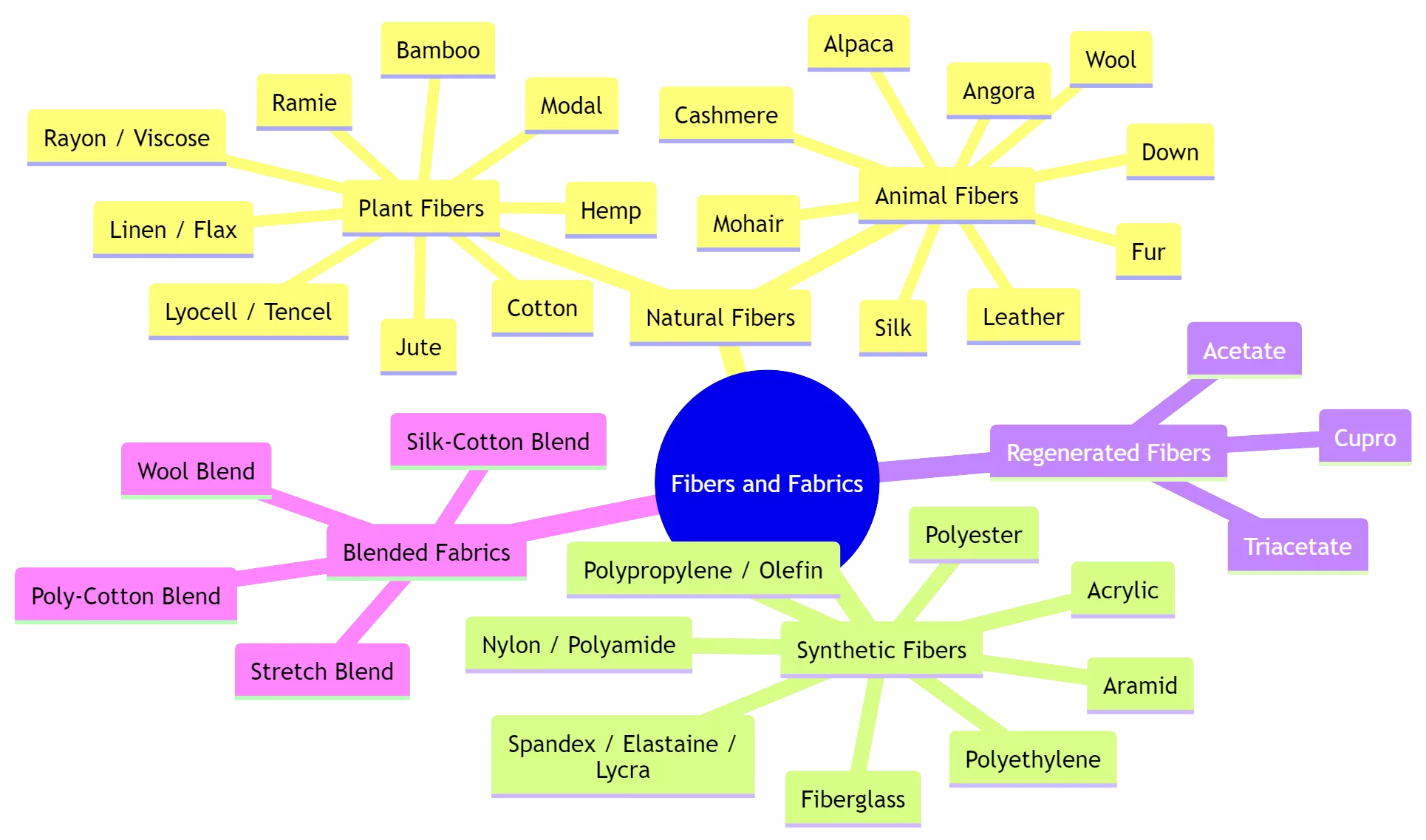
Different types of fabric materials include:
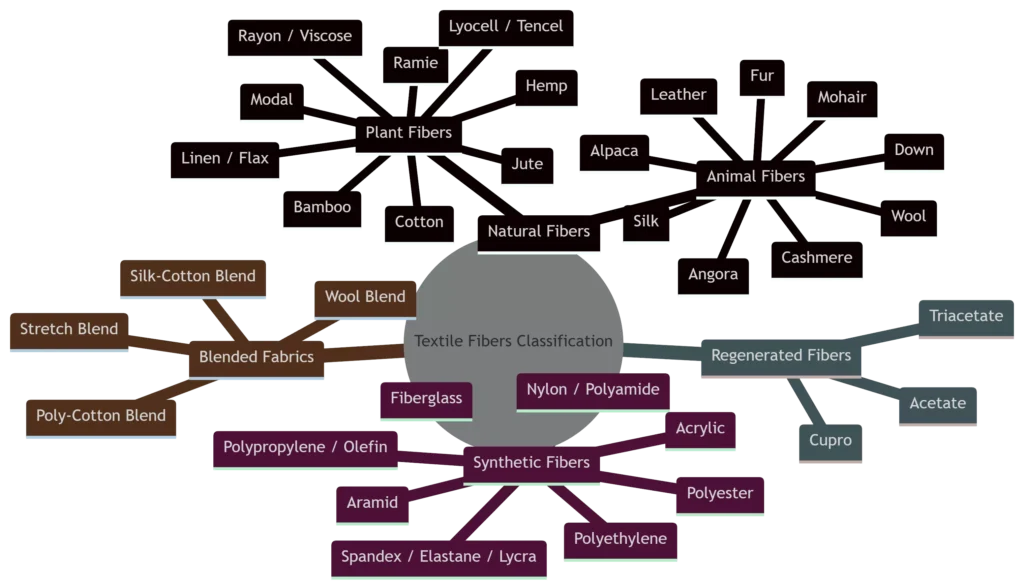
- Natural Fibers
- Plant Fibers
- Cotton
- Linen / Flax
- Hemp
- Jute
- Ramie
- Bamboo
- Modal
- Lyocell / Tencel
- Rayon / Viscose
- Animal Fibers
- Wool
- Cashmere
- Mohair
- Alpaca
- Angora
- Silk
- Down
- Leather
- Fur
- Plant Fibers
- Synthetic Fibers
- Polyester
- Nylon / Polyamide
- Spandex / Elastane / Lycra
- Acrylic
- Polypropylene / Olefin
- Polyethylene
- Aramid
- Fiberglass
- Regenerated Fibers
- Cupro
- Acetate
- Triacetate
- Blended Fabrics
- Poly-Cotton Blend
- Wool Blend
- Silk-Cotton Blend
- Stretch Blend
5.Polyester blends hold a significant place in the sleepwear and loungewear market due to their affordability and excellent durability. They are often used to showcase unique fabric patterns, such as classic plaid designs, which help garments maintain their shape without deformation. While not as breathable as natural fibers, modern polyester blend technologies have significantly improved their breathability and moisture-wicking properties.
Types of fabric patterns include:
- Solid
- Stripes
- Plaids / Checks
- Gingham
- Tartan
- Houndstooth
- Windowpane
- Checkerboard
- Polka Dots
- Floral
- Paisley
- Geometric
- Animal Prints
- Leopard
- Zebra
- Snake
- Abstract
- Swirls
- Camouflage
- Prints
- Jacquard
- Embroidery
- Herringbone
- Chevron
- Tie-Dye
- Marble
- Tribal
- Cartoon / Novelty Prints
- Typographic

These different types of fabric vary in weaving techniques, fabric weight, and texture, with these differences directly influencing how they feel against the skin during sleep. Understanding these characteristics will help you better select the most suitable types of fabric for your target customer base.
What Are the Different Types of Cotton Fabric for Comfortable Sleepwear?
Cotton, renowned for its exceptional versatility and cost-effectiveness, firmly holds the “center stage” position among sleepwear fabrics. Precisely because of this, a thorough understanding of different types of cotton fabric is crucial for loungewear production. Below we will explore various types of cotton fabric in detail and compare their characteristics specific to loungewear manufacturing, assisting brands in selecting the most suitable types of fabric materials.
| Type of Cotton Fabric | Key Characteristics | Pros for Pajamas/Loungewear | Cons | Best Use Case |
|---|---|---|---|---|
| Pima Cotton | Long-staple fibers for a silky feel | Ultra-soft, durable, breathable | Higher cost | Premium pajamas, nightgowns and robes |
| Organic Cotton | Grown without pesticides | Eco-friendly, hypoallergenic | May wrinkle easily | Sustainable baby pajamas and onesies |
| Jersey Cotton | Knitted for stretch | Lightweight, moisture-wicking | Less insulating | T-shirts, pajamas and lounge pants |
| Poplin Cotton | Woven with a crisp finish | Smooth, easy to dye for patterns | Can feel stiff initially | Button-up pajama sets |
| Flannel Cotton | Brushed for fuzziness | Warm and cozy in winter | Prone to pilling | Flannel pajama bottoms |
For procurement managers, understanding the subtle differences among various types of cotton fabric is crucial. For example, premium types of cotton fabric like Pima cotton can provide a luxurious edge to products, with its extra-long fibers imparting exceptional softness, luster, and durability to the fabric, making it ideal for high-end loungewear collections to enhance brand image and user experience. On the other hand, jersey cotton, as another common type of cotton fabric, offers excellent everyday comfort at a lower price point through its knitted structure that provides elasticity and comfort. This type of fabric material features good drape and skin-friendly feel, suitable for making simple, easy-to-wear daily pajamas. Therefore, when selecting types of fabric, procurement managers need to weigh the advantages of different types of cotton fabric based on brand positioning, target market, and cost budget to ensure that the chosen types of fabric meet consumer expectations while maintaining product competitiveness.
What Makes Silk One of the Best Types of Fabric for Luxe Loungewear?
The natural luster and excellent temperature-regulating properties of silk make it an undisputed favorite in the high-end pajama field. This type of fabric brings an unparalleled comfort experience to the wearer with its unique touch and luxurious appearance. For brands pursuing ultimate comfort and elegance, understanding various types of silk fabric is crucial. Below, we will delve into the characteristics of different types of silk fabric to help you find the most perfect type of fabric material for your products among numerous different types of fabric.
- Mulberry Silk: This type of fabric comes from silkworms fed exclusively on mulberry leaves, representing the highest quality silk known for its unparalleled smoothness, uniform fibers, and exquisite drape. With its high luster and exceptionally soft, skin-friendly texture, it serves as an ideal fabric material for premium pajamas and loungewear, conveying ultimate luxury and comfort. This makes it the preferred cloth fabric for many luxury brands.
- Habotai Silk: As a lightweight and slightly translucent type of silk fabric, Habotai exhibits excellent fluidity. It is commonly used to create flowing camisole nightgowns, linings, or silk scarves, adding an element of light elegance and romantic charm to loungewear.
- Charmeuse Silk: This is a highly favored type of silk fabric among designers, characterized by its charming satin sheen on one side and a matte finish on the other. This unique visual contrast offers exceptional design flexibility, allowing it to effortlessly adapt to fabric patterns ranging from classic to modern. Not only does it boast a luxurious appearance, but it also features a remarkably smooth texture, making it commonly used in the production of pajama sets, morning robes, and lingerie.
- Tussah Silk: Unlike mulberry silk, Tussah silk is derived from wild silkworms, resulting in coarser fibers that exhibit a unique texture and more rustic natural luster. This type of silk fabric is generally more cost-effective than mulberry silk. While not as smooth, its excellent breathability and durability make it a preferred choice for designers seeking natural aesthetic appeal while maintaining budget considerations.
Mulberry silk stands out among all types of silk fabric for its exceptional breathability, even surpassing certain types of cotton fabric. For individuals who perspire easily or wear it in warm climates, it offers superior heat dissipation, making it an ideal choice for “hot sleepers.” However, its high cost and delicate nature require more meticulous and careful handling during production, inevitably increasing manufacturing expenses and maintenance complexity. Despite this, designers continue to cherish the elegance and luxury it brings to loungewear. For procurement managers, it is noteworthy that mulberry silk generally outperforms many blended types of cotton fabric in wrinkle resistance, meaning the resulting sleepwear is easier to maintain and has a longer lifespan—this is one of its added values. When considering different types of fabric, silk undoubtedly serves as a key choice for elevating product quality.
How Do Types of Fleece Fabric Provide Warmth Without Bulk in Pajamas?
For users seeking warmth on chilly nights or ultimate comfort, fleece is undoubtedly a miracle among synthetic fibers. This type of fabric holds a significant place in the sleepwear and loungewear market due to its exceptional thermal insulation and softness. Understanding the different types of fleece fabric is crucial for designers and sourcing managers:
- Polar Fleece: This is one of the most common types of fleece fabric, typically medium-weight, renowned for its excellent warmth retention and durability. Through pill-resistant treatment, Polar Fleece effectively resists abrasion and pilling, maintaining its good appearance even after prolonged wear. It is an ideal fabric choice for making coats, trousers, and loungewear.
- Microfleece: Microfleece is an ultra-lightweight, ultra-thin type of fleece fabric with a fiber structure denser than regular fleece. Known for its incredible softness, its texture can even rival silk while maintaining the easy-care characteristics of synthetic fibers. This type of fabric material is particularly suitable for lightweight pajama sets, base layers, or travel items, providing comfortable warmth without bulkiness.
- Sherpa Fleece: Named for its plush, fluffy texture, Sherpa Fleece closely resembles lamb’s wool in both appearance and feel. This type of fleece fabric offers ultimate softness and warmth, wrapping the wearer in comfort reminiscent of a cozy blanket. It is commonly used for winter loungewear, robe linings, or as comfortable inner lining for outerwear.
Quick comparison:
Compared to cotton fabrics, fleece generally offers superior warmth retention and faster drying times, making it more suitable for damp or cold conditions. However, fleece typically lacks the breathability of natural cotton fibers. To achieve an optimal balance between warmth and breathability, some brands ingeniously combine fleece with cotton fabrics—for instance, by using cotton linings in hybrid loungewear designs.
Advantages: Fleece offers the key benefit of being cost-effective, with bulk purchasing further enhancing its affordability. It excels in moisture-wicking, effectively drawing sweat away from the skin to the fabric’s surface for evaporation, keeping the body dry. This material is easy to clean and maintain, making it an ideal choice for loungewear. Additionally, its diverse range of patterns provides ample design flexibility.
Disadvantages: Fleece is prone to static electricity, particularly in dry environments. Additionally, due to its thermal properties, it is generally not suitable as a primary fabric choice for summer apparel.

Many fashion brands particularly favor microfleece for crafting lightweight hoodies or pajama sets. This type of fleece fabric offers a plush, comfortable feel while avoiding excessive warmth, achieving an ideal balance of comfort and practicality that meets consumer demand for year-round loungewear.
What Are the Types of Fabric Patterns to Elevate Your Loungewear Designs?
Patterns add personality to sleepwear, transforming basic types of fabric into statement pieces.The strategic use of diverse fabric materials can significantly enhance the visual appeal and brand recognition of pajamas and loungewear. Here are some popular fabric patterns:
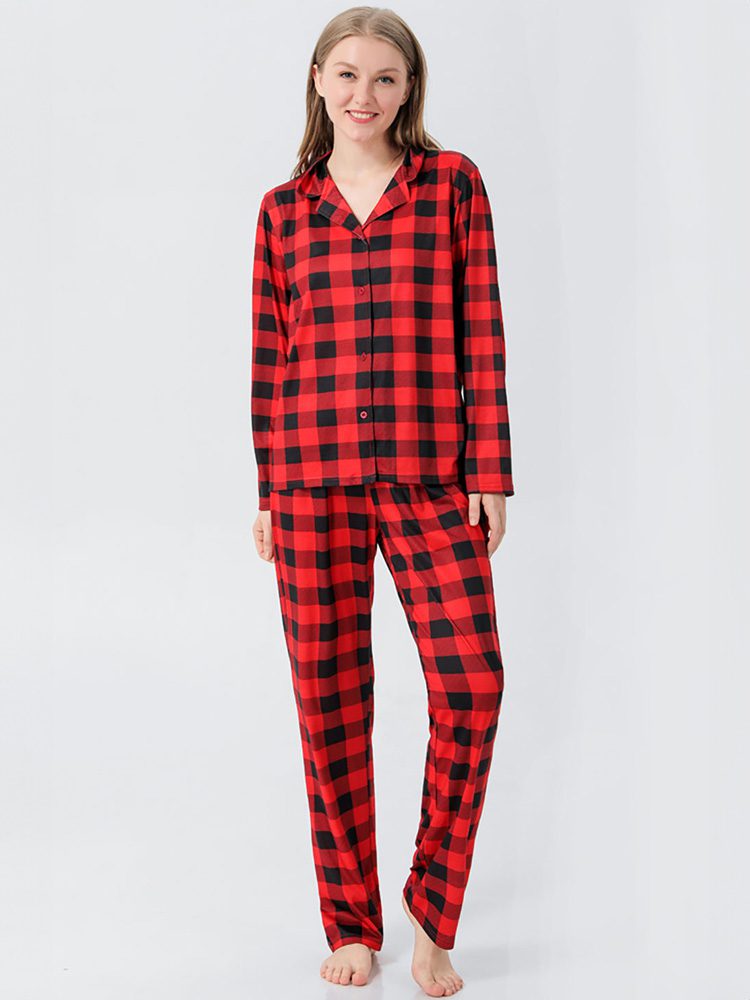
Plaid Fabrics: Plaid, as a classic type of fabric pattern, holds a place in the sleepwear world with its timeless appeal. Whether it’s the application of classic check patterns on cotton or flannel, it brings unparalleled comfort and traditional charm to tartan pajamas. For example, gingham plaid, with its delicate small check pattern, creates an understated elegant style; while bold buffalo plaid, with its striking large checks, imparts a stronger visual impact and casual feel to the garments.
Stripes: Whether vertical or horizontal, stripe patterns showcase their unique charm on fabrics like jersey cotton and other types of cotton fabric. They not only add a modern touch to loungewear but also create a visually elongating effect—vertical stripes can make lounge pants appear more slender, making them highly popular among consumers.
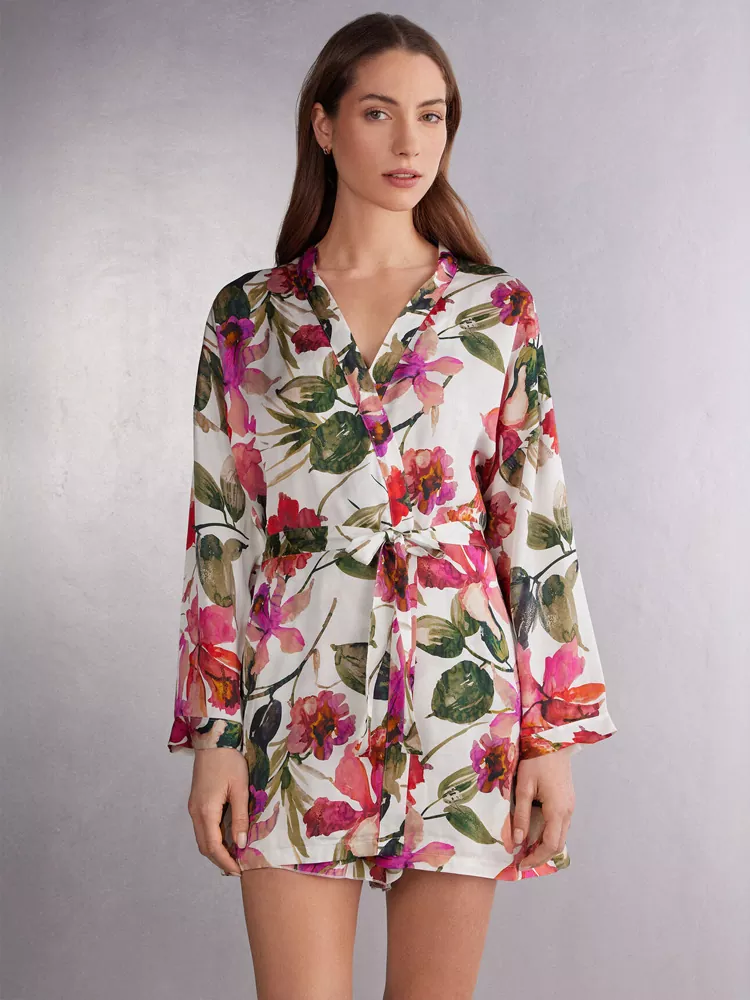
Florals: Delicate and soft floral prints showcase enchanting femininity on silk fabrics or modal. These romantic patterns are perfectly suited for robes and nightgowns, creating a light and elegant home atmosphere. Many high-end brands, such as the “Silk Serenity” collection, skillfully utilize silk floral patterns, making their products bestsellers in the market.
Solids with Texture: When discussing fabric patterns, we should not overlook those textures created through weaving techniques rather than printing. Waffle or honeycomb patterns, especially on fleece fabrics, add rich visual and tactile interest to solid-colored materials through their unique three-dimensional structures, showcasing refinement without the need for additional dyeing. This types of fabric, through its own textural variations, brings a subtle yet luxurious aesthetic to pajamas and loungewear.
Comparison Tip: When designers select fabric patterns for pajamas and loungewear, durability and ease of care are key considerations. For example, plaid patterns on cotton fabrics are renowned for their excellent durability, making them ideal for mass production and everyday wear. In contrast, delicate patterns on silk fabrics offer unparalleled luxury but may be more prone to color fading and require more meticulous care. Therefore, designers should carefully consider washability when deciding on fabric styles: cotton plaids perform better in everyday loungewear laundering, while silk florals demand gentler treatment to maintain their beauty over time.

Which Types of Fabric Material Are Most Sustainable for Ethical Sourcing?
For eco-conscious brands, sustainability matters not just as a trend, but as a core value deeply integrated into their design and sourcing. When exploring different types of fabric material, it’s crucial to compare their environmental footprint alongside their luxurious feel and performance. Consider these outstanding types of fabric for your next collection:
- Bamboo Viscose: This fabric is made from bamboo pulp, offering a soft, silky texture with natural antibacterial properties, making it ideal for health-conscious loungewear.
- Linen: Derived from flax plants, linen is a durable fabric known for its exceptional breathability and high absorbency, particularly suitable for summer wear.
- Tencel (Lyocell): Sourced from wood pulp, Tencel is another popular fabric that is silky, breathable, and features excellent moisture-wicking properties, perfectly suited for skin-friendly pajamas.
- Modal: Made from beech wood pulp, Modal is renowned for its exceptionally soft, smooth texture and high moisture absorption, delivering unparalleled comfort.
- Cotton: As one of the most common fabrics, cotton is made from cotton plant fibers, being soft, breathable, and absorbent—a classic choice for pajamas and loungewear.
- Recycled Polyester: This fabric utilizes recycled plastics, offering durability, quick-drying capabilities, and wrinkle resistance, making it an ideal option for brands focused on sustainability and functionality.
Sourcing managers: Keep in mind that bamboo viscose, with its cashmere-like softness and superior breathability, often rivals types of silk fabric in comfort but comes at a more accessible price point. This makes it a strategically smart swap for premium loungewear lines seeking both luxury and value.
FAQ: Common Questions About Types of Fabric for Pajamas
What are the most comfortable types of fabric for pajamas?
The most comfortable types of fabric for pajamas include cotton (especially jersey or Pima), bamboo viscose, silk, and modal. They offer breathability and softness, preventing irritation during sleep.
How do different types of fabric affect loungewear durability?
Natural types of fabric like cotton are durable but prone to shrinkage, while synthetics like fleece resist wear better. Blends (e.g., cotton-poly) balance both for long-lasting production.
What are the best types of plaid fabrics for seasonal pajamas?
Types of plaid fabrics in flannel cotton work for winter coziness, while lightweight gingham cotton suits summer. Avoid heavy plaids on silk to prevent bulk.
Are there hypoallergenic types of silk fabric for sensitive skin?
Yes, mulberry silk is naturally hypoallergenic and antimicrobial, making it superior to fleece for those with sensitivities in loungewear.
How to choose types of fleece fabric for budget-friendly sourcing?
Opt for polar fleece in recycled polyester—it’s affordable, warm, and widely available, ideal for entry-level pajama lines without sacrificing quality.
This guide equips you with the knowledge to select the perfect types of fabric for your next collection. For personalized sourcing advice, contact industry experts or test samples in your prototypes.