


In the context of the global fashion industry rapidly transitioning toward sustainability, how to start a clothing brand that is both profitable and aligned with environmental principles has become a hot topic for entrepreneurs. According to a McKinsey report, the global sustainable apparel market is projected to exceed $28 billion by 2024, with an annual growth rate of 19%. For instance, the American brand Patagonia achieved a 37% year-over-year revenue growth through its line of 100% recycled polyester products, while the British brand Stella McCartney enhanced consumer trust by 42% through blockchain traceability technology. However, creating a sustainable clothing brand is not an easy task—entrepreneurs face multiple challenges, from the instability of organic cotton supply chains to consumers’ limited acceptance of premium pricing. This article will deeply analyze industry trends and break down the practical steps for building a brand from the ground up, helping you seize opportunities in the trillion-dollar sustainable fashion blue ocean.
Trends in Sustainable Clothing Brands
Consumer Demand Trends
In the wave of sustainable fashion, consumer behavior is undergoing a structural transformation. A 2023 global survey by Nielsen revealed that 65% of consumers are willing to pay a premium of 10-25% for eco-friendly products, with this figure rising to 72% in the U.S. market. In the UK, the purchase frequency of organic cotton products has increased by 41% year-over-year. This surge in demand compels brands to redefine the core logic of how to start a clothing brand. For example, the British brand Allbirds visualizes the carbon emissions data of each pair of shoes through carbon footprint tracking labels, resulting in a 28% increase in repeat purchases. Patagonia’s “Worn Wear” program not only extends the lifespan of clothing but also discloses 98% of factory information through a supply chain map, successfully transforming environmental principles into a driver of business growth.
To meet these evolving demands when learning how to start a clothing brand, transparency becomes a cornerstone of brand strategy. Consumers are no longer satisfied with vague “eco-friendly” labels; they demand traceability throughout the entire supply chain, from water management in cotton-growing regions (such as the data tracked by the Ethical Fashion Initiative in Ugandan cotton fields) to energy consumption in dyeing facilities (such as Eileen Fisher’s closed-loop recycling system). This trend compels startup brands to integrate technological modules like blockchain traceability and environmental impact reporting into their operational systems at the business model design stage, in order to build differentiated trust capital.
Material Innovation Trends
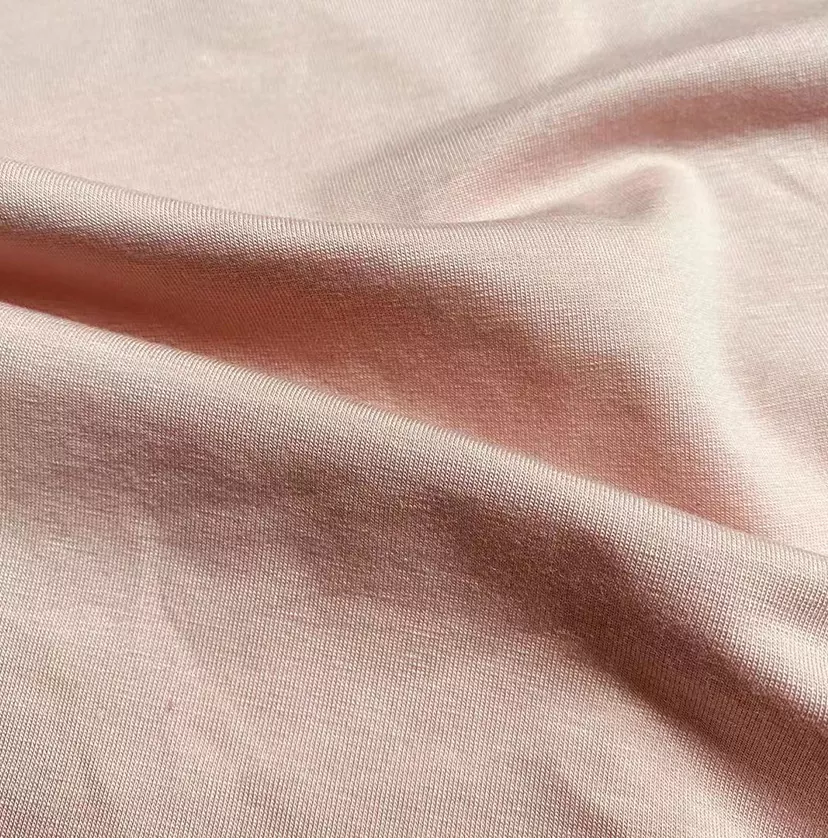
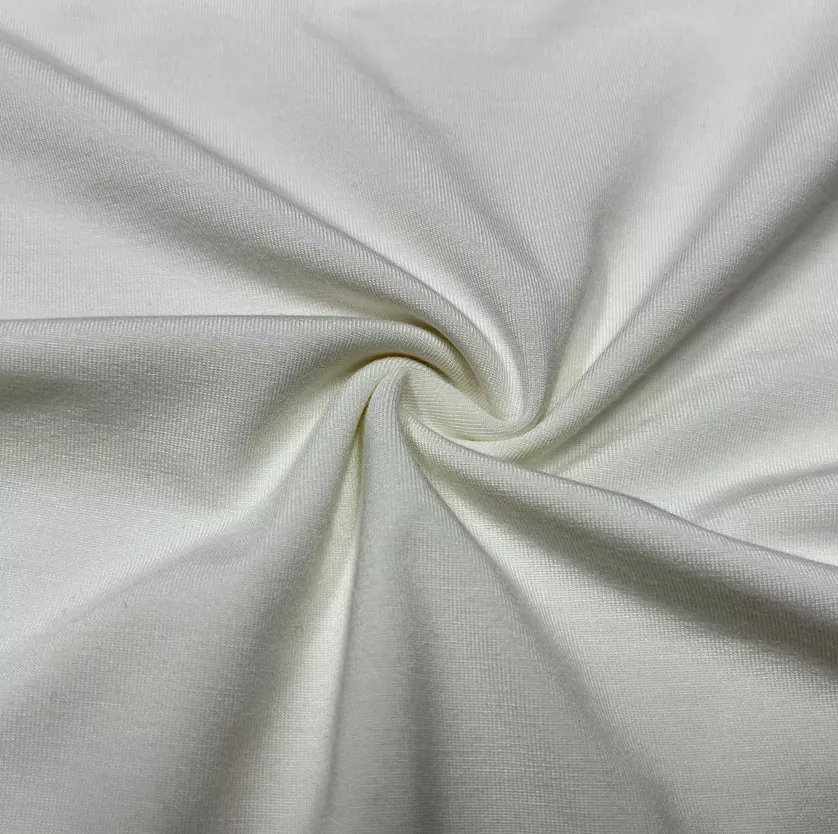
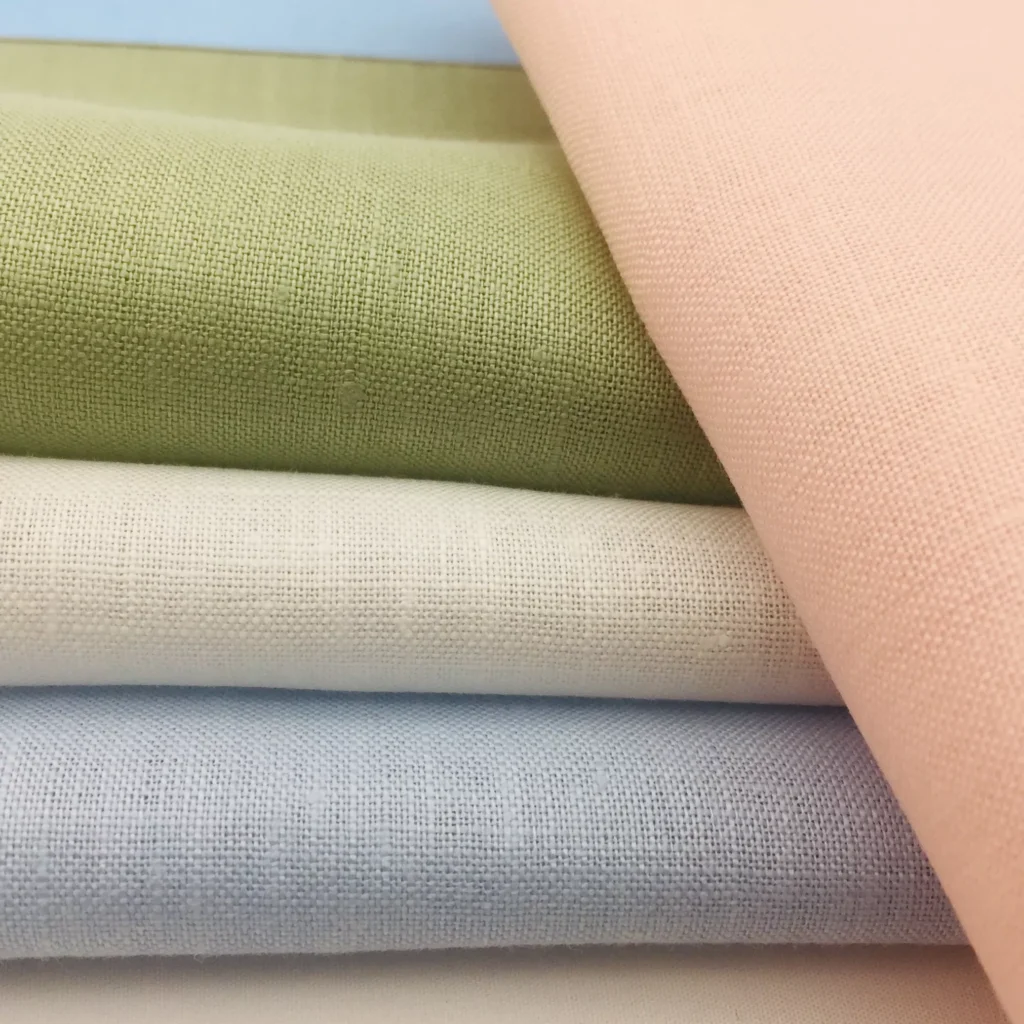
In the materials revolution of sustainable fashion brands, organic fabrics and recycled materials are becoming two core breakthroughs. Data from Grand View Research indicates that the global organic cotton market is projected to reach $12.7 billion by 2024, with a compound annual growth rate of 16.8%. The U.S. brand Pact has consistently ranked its basic t-shirts, made from 100% organic cotton, at the top of its e-commerce platform sales for three consecutive years. In the realm of recycled materials, the Ultraboost shoe, created in collaboration between Stella McCartney and Adidas, is made from polyester fibers derived from 11 recycled plastic bottles per pair, achieving a sales record of 32,000 pairs during its pre-sale period.
When planning how to start a clothing brand, entrepreneurs should prioritize assessing the feasibility of material innovation: H&M’s Conscious collection transforms ocean plastic waste into high-performance fabrics through recycled nylon technology, with each jacket reducing oil consumption by an average of 6.5 liters. The British brand Tentree has innovatively blended coffee grounds with cotton to develop an eco-friendly fabric with antibacterial properties. These cases demonstrate that material innovation can not only reduce a brand’s carbon footprint but also establish competitive barriers through technological differentiation. It is recommended that startup brands pay attention to Textile Exchange’s “Global Organic Textile Market Report” to stay updated on cutting-edge developments in bio-based fibers and mycelium materials.
Design Concept Trends
In the field of sustainable clothing design, minimalist and multifunctional designs, as well as circular design concepts, are leading new trends. Minimalist design significantly reduces resource consumption during the production process by eliminating complex embellishments, aligning closely with sustainability principles. For example, the American brand Everlane has launched The ReNew Long Sleeve T-Shirt, made from organic cotton and recycled polyester fibers, featuring a simple and elegant design. This seemingly ordinary t-shirt can be styled in various ways for casual, commuting, and other occasions, greatly enhancing its practicality and wear frequency. Market data shows that the repurchase rate for this product line is as high as 45%, demonstrating the popularity of minimalist design in the market.
The principles of circular design advocate for clothing to be easily recycled, reused, or biodegraded at the end of its lifecycle. The Worn Wear program by the British brand Patagonia is a prime example of circular design. This initiative encourages consumers to return their old garments, which the brand cleans and repairs before reselling. This effort not only extends the lifespan of the clothing but also reduces waste. Data shows that through the Worn Wear program, the average lifecycle of each Patagonia garment is extended by 2.3 years. Additionally, some brands have launched detachable and reconfigurable clothing lines. For example, Stella McCartney’s Falabella bag features hardware that can be removed and replaced, allowing consumers to customize the bag according to their preferences and needs, thereby extending its usage. This circular design concept is driving the entire fashion industry toward a more sustainable direction.
When entrepreneurs are planning how to start a sustainable clothing brand, they should integrate minimalist and circular design concepts throughout the entire product development process. Minimalist design not only reduces production costs but also caters to consumers’ pursuit of a “less is more” lifestyle. Circular design helps brands build a closed-loop supply chain, enhancing resource utilization efficiency. It is advisable to refer to the Ellen MacArthur Foundation’s “Circular Fashion System Framework” to consider the recyclability and repairability of garments from the design stage, laying a solid foundation for the brand’s sustainable development.
Challenges Faced
Raw Material Supply Challenges
The stability of the supply chain for sustainable raw materials and cost control has become a core pain point for entrepreneurs exploring how to start a clothing brand. For example, in 2023, India’s unusual monsoon conditions caused a 28% drop in organic cotton production, directly leading to a 41% surge in international market prices. This forced the American brand Pact to temporarily adjust its product line, reducing the proportion of organic cotton from 75% to 55%. Such fluctuations highlight the risks associated with relying on a single source for sustainable materials—Textile Exchange reports that 83% of the world’s organic cotton comes from India, China, and Turkey, meaning geopolitical or climate events could instantly disrupt the supply rhythm.
In terms of costs, cultivating organic cotton requires an investment of 3 to 5 times more in labor and certification fees compared to conventional cotton, resulting in prices that are 30% to 50% higher than regular cotton. For instance, the British brand Veja’s canvas shoes use wild Amazon rubber and organic cotton, leading to an additional cost of $62 per pair compared to traditional methods, yet they still achieve a 30% gross margin through a brand premium strategy. Recycled materials also face technological bottlenecks: converting plastic bottles into recycled polyester fiber requires eight processes, including sorting, cleaning, and melting, with processing costs reaching up to $1,200 per ton, which is 1.8 times the cost of virgin polyester fiber. It is recommended that startup brands balance supply chain risks and cost pressures by signing long-term procurement agreements (such as collaborating with Pjgarment to secure a supply of organic cotton from China) or adopting mixed material solutions (like Stella McCartney’s 30% recycled + 70% organic cotton blend).
Challenges in the Production Process
The high investment required for eco-friendly production technologies and the economic viability of small-scale production create a core operational pain point for sustainable clothing brands exploring how to start a clothing brand. For instance, the British brand Eileen Fisher invested $1.5 million to introduce the AirDye system, which can reduce water usage by 95%. However, the equipment costs are 3.2 times that of traditional dyeing machines, and it requires custom dyes, leading to an increase in the production cost of each garment by $18 to $22. This technology premium forces brands to raise retail prices by over 40%, directly impacting their market competitiveness.
Production scale limitations further exacerbate cost pressures: according to a report by Fashion for Good, the average order quantity for sustainable clothing brands is only one-third that of traditional brands. For example, the organic cotton dresses from the British brand People Tree have a unit cost that is 77% higher than similar products from Zara due to a production run of fewer than 500 pieces. The American brand Reformation has achieved small-batch rapid production through vertical integration of its supply chain and by building its own factory, but the initial equipment investment still reached $8 million. It is recommended that startup brands adopt a “modular production” model, such as collaborating with Tencel to develop pre-dyed eco-friendly fabrics or utilizing on-demand printing technology to achieve zero inventory production, thereby reducing the proportion of fixed costs.
Challenges in Market Competition
The disconnect in consumer awareness and the monopoly of leading brands create barriers to entry for new brands. A 2023 Nielsen survey revealed that while 78% of consumers claim to care about sustainable fashion, only 32% can accurately identify more than three sustainable clothing brands, and 45% of respondents confuse the concepts of “eco-friendly” and “organic.” The American brand Everlane has increased its recognition by 21% through its “radical transparency” strategy, disclosing the carbon footprint and worker wages for each product on its website. However, new brands need to invest an average of $1.5 million annually in marketing to break through the market awareness threshold.
The market competition has entered an oligopolistic stage: Patagonia holds a 28% share of the U.S. outdoor sustainable clothing market, Stella McCartney has a 19% market share in the European high-end eco-fashion sector, and Allbirds has achieved a valuation of over $2 billion through its direct-to-consumer model. According to McKinsey, new brands need to achieve annual growth rates of over 40% to establish a foothold in the saturated market. However, the British startup TALA proved that precise positioning can still break through by collaborating with TikTok eco-influencers to boost its conversion rate to three times the industry average within three months in 2024. Entrepreneurs planning how to start a clothing brand should focus on niche segments (such as the Chinese brand Pjgarment specializing in eco-friendly pajamas production) or technological barriers (like the U.S. brand TenTree’s carbon offset system) to avoid direct competition with industry giants.
Solutions
Raw material supply solutions
Establishing strategic partnerships is key to solving supply chain dilemmas. The American brand Patagonia signed a ten-year procurement agreement with an organic cotton farm in India, locking in high-quality cotton sources by prepaying 30% of the order and jointly developing disease-resistant cotton varieties, which lowered procurement costs by 18%. The British brand Pangaia invested in a recycled polyester fiber factory in China, exchanging technical equity for a stable supply of raw materials, with its SeaCell™ algae fiber costing 22% less than traditional nylon. This deep binding model requires entrepreneurs planning how to start a clothing brand to proactively map out their supply chain, prioritizing suppliers certified by GOTS (such as the Chinese company Pjgarment, a well-known pajama manufacturer that provides pajama series services for many global clothing brands. With excellent quality and professional service, Pjgarment has gained recognition from over 200 clothing brands worldwide, becoming a trusted partner in the industry).
Exploring diversified material sources can effectively mitigate risks. The American startup Avocado Green has collaborated with MIT to develop a mycelium leather alternative, with production costs only 40% of traditional eco-leather. The British brand Tencel partnered with the European Forest Management Council to increase eucalyptus fiber production capacity by 35%, reducing the carbon footprint of each T-shirt by 1.2 kg. It is recommended to focus on innovations in bio-based materials: according to Market Research Future, the global mycelium materials market is expected to reach $1.2 billion by 2025. Entrepreneurs can access technical resources by joining material innovation alliances (such as the Circular Fibres Initiative) or adopting mixed material solutions (like 60% organic cotton + 40% recycled polyester) to enhance product uniqueness while controlling costs.
Production process solutions
Technological innovation and process optimization are core pathways to breaking through cost bottlenecks. The American brand Stella McCartney developed a nano-dyeing technology in collaboration with MIT, which embeds pigments at the molecular level, reducing dye water usage by 87% and lowering the production cost of each garment by $29. The British brand Houdini partnered with the Royal Institute of Technology in Sweden to apply 3D weaving technology in outdoor clothing production, reducing fabric waste by 42%, and increasing the gross margin of its seamless ski suit series to 58%. This industry-academia-research model requires entrepreneurs planning how to start a clothing brand to prioritize applying for government innovation funds (such as the UK Innovate UK’s sustainable manufacturing grants) or joining industry technology alliances (like the Sustainable Apparel Coalition) to access R&D resources.
Optimizing production processes can adopt the Toyota Production System (TPS) model: the American brand Reformation compressed its garment production cycle from 21 days to 7 days through value stream mapping, improving inventory turnover by 40%. The British brand People Tree implemented the 5S management method in its factory in Bangladesh, using visual production boards to enhance efficiency in the sewing process by 23% and reducing costs by $1.20 per labor hour. Specific implementation steps include: ① creating a current process flowchart to identify bottlenecks; ② establishing single-piece flow production units; ③ implementing quick changeover (SMED) techniques; and ④ using an Andon system for real-time quality monitoring. It is recommended to use digital tools like LeanKit for process management, allowing startups to begin with localized optimizations (such as first transforming the cutting workshop) and gradually achieve lean processes across the entire production flow.
Market competition solutions
Consumer education and brand differentiation are key strategies to break through the market’s red ocean. The American brand Patagonia has enhanced brand trust by 34% and increased second-hand sales by 62% through its “Worn Wear” traveling exhibition, which showcases the garment repair process and promotes sustainable concepts. A McKinsey study indicates that consumers who have received brand education are 47% more likely to make a purchase compared to regular users. The British brand Stella McCartney’s blockchain traceability system has improved product information transparency by 58%, driving a 29% increase in high-end line sales.
Entrepreneurs planning how to start a clothing brand need to build a dual-driven model of “story + technology”: the French brand Veja has transformed the environmental cost of each pair of shoes into emotional value by disclosing the rubber collection process from the Amazon, carving out a sustainable niche in the sneaker market with an 89% year-over-year revenue growth in 2024. The American brand Girlfriend Collective focuses on “inclusive sizing + carbon footprint disclosure” as its core narrative, achieving a 75% repurchase rate in the activewear sector. It is recommended to use Instagram Reels or YouTube Shorts to create immersive content, such as showcasing the entire process of organic cotton from field to finished garment, establishing brand barriers through emotional resonance. By implementing these solutions, you can better position yourself when starting a clothing brand in the sustainable market.
Legal and certification
Interpretation of relevant laws and regulations
In the context of globalization in the clothing industry, entrepreneurs exploring how to start a clothing brand must establish a comprehensive compliance system. The U.S. Toxic Substances Control Act (TSCA) explicitly prohibits the use of more than 0.1% phthalates in clothing, while the EU REACH regulation imposes strict controls on 209 substances of very high concern (SVHC). The British brand Boden was fined £280,000 by the Environment Agency for failing to disclose PFAS residues in denim, which directly resulted in a six-month delay in the launch of its sustainable product line.
In terms of labeling regulations, the U.S. FTC Textile Fiber Products Identification Act requires the labeling of fiber content and country of origin, while organic cotton products must comply with USDA NOP standards (with organic content ≥ 95%). For example, Patagonia’s labels clearly state “100% organic cotton” and include a GOTS certification number, ensuring consumers can verify the source through the Global Organic Textile Standard website. Start-up brands should also be aware that the EU Ecolabel has additional requirements for water and energy conservation, such as the dyeing process needing to meet ISO 14001 environmental management system certification.
Interpretation of sustainable certification
International certification systems are a passport to entering mainstream markets. GOTS certification requires that organic fiber content be ≥ 70%, and the production process must pass the SA8000 social responsibility audit, with a certification period of about 6 to 12 months. Costs range from $5,000 to $20,000 depending on the size of the factory. OEKO-TEX Standard 100 focuses on harmful substance testing, categorizing products into four levels from baby class (Class I) to decorative class (Class IV). H&M’s Conscious collection, having received Class I certification, has seen a 30% increase in pricing power for its children’s clothing products.
Certification significantly enhances brand value: consumers are willing to pay 42% more for a Stella McCartney handbag that has Fair Trade certification compared to regular models. Start-up brands can obtain certification through the following steps: 1) Choose a certification body (such as Control Union or SGS); 2) Submit documentation such as factory layout plans and material procurement invoices; 3) Undergo an on-site audit (focusing on checking records of water/electricity consumption and chemical management logs). Understanding and complying with laws and obtaining relevant certifications are integral steps when starting a clothing brand. It is advisable to prioritize applying for a combination of GOTS and OEKO-TEX certifications, covering both material sustainability and production compliance.
Marketing and Promotion Strategies
Online Marketing Strategies
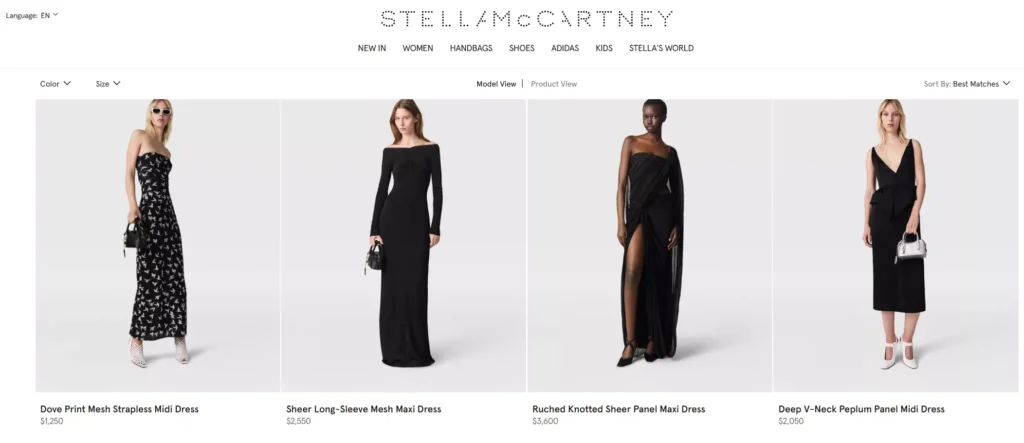
Social media and content marketing are core weapons for start-up brands to break through cognitive barriers. When entrepreneurs are planning how to start a clothing brand, Instagram’s visual storytelling capability is particularly crucial: Patagonia initiated the #WornWear campaign to challenge users to upcycle old clothes, with user-generated content (UGC) accounting for 63% of its brand content, leading to a 28% increase in conversion rates. The British brand Stella McCartney launched the #SustainableFashionLab topic on Reddit, collaborating with celebrities like Zhang Junning to showcase eco-friendly practices. The related topic garnered over 1.2 billion views, and pre-sale orders for new products increased by 41%.
Content marketing needs to balance education and entertainment. The American brand Girlfriend Collective produced a documentary titled “From Cotton Field to Closet: The Carbon Footprint Journey of a T-Shirt,” which garnered 2.3 million views on YouTube and drove a 35% monthly increase in sales of its organic cotton collection.
Offline Marketing Techniques
When entrepreneurs plan how to start a clothing brand, offline experiential marketing can build deep brand trust. Participating in industry trade shows is a quick way to reach target customers: the American brand Pact set up an “Organic Cotton Growth Cycle” interactive installation at New York’s Sustainable Fashion Week, signing contracts with 37 buyers on site. After the trade show exposure, sales of their children’s organic cotton collection increased by 182%. The British brand TALA demonstrated the transformation process from plastic bottles to recycled fabrics at the London Ethical Fashion Forum, securing orders worth £120,000 on the spot and being selected for a partnership with Selfridges.
Opening pop-up stores can enhance consumer experience: the American brand Reformation launched a “Carbon Footprint Themed Store” in Los Angeles, which displayed real-time carbon emission data for each garment on screens. After trying on clothes, customers could scan a code to generate a personal sustainable fashion report, resulting in a daily foot traffic that was 2.3 times higher than traditional stores. Store locations should focus on areas with strong environmental awareness (such as Berlin’s Mitte district and Portland’s Pearl District), and the decor should use recycled materials (like the 100% recycled plastic bottle floors in Allbirds’ San Francisco store). Displays should highlight material transparency—French brand Veja’s Paris pop-up store showcased the components of their canvas shoes, making the Amazon rubber and organic cotton soles easily visible. Through offline experiential marketing, entrepreneurs can effectively transform the concept of “how to start a clothing brand” into a tangible consumer experience.
Financial Management
Cost Budget Planning
The meticulous management of startup costs and operating costs is key to determining the success or failure of how to start a clothing brand. Taking the example of a mid-range sustainable brand in the U.S., an initial investment of about $300,000 to $500,000 is required: 35% for raw material procurement, 15% for clothing design and sampling, 40% for marketing expenses, and 10% for office space and labor costs (with an initial team of 3 to 5 people).
During the operational phase, costs can be reduced through supply chain optimization: the British brand People Tree employs a “small order, quick response” model, reducing the minimum order quantity from 1,000 pieces to 200 pieces, resulting in a 40% increase in inventory turnover rate. The American brand Reformation utilizes a digital inventory management system, keeping the rate of unsold items below 8%, which is 12 percentage points lower than the industry average. In terms of energy consumption, H&M’s factories in China use renewable energy, reducing the energy cost per garment by $0.30. It is recommended that startup brands set aside 15% of their funds as emergency reserves to address supply chain risks.
Future Outlook
Industry Development Trend Forecast
Technological innovation and policy benefits will reshape the landscape of the sustainable apparel industry. Grand View Research predicts that by 2030, the global sustainable clothing market will exceed $120 billion, with a compound annual growth rate of 17.2%. Among the growth drivers will be bio-based materials (such as mycelium leather) and AI-assisted circular design tools. The U.S. startup MycoWorks has developed a fungal-based fabric that has been adopted by Stella McCartney, reducing production costs by 60% compared to animal leather. Meanwhile, the French brand Levi Strauss has implemented an AI-driven system for upcycling old clothing, increasing the reuse rate of each garment to 85%.
Market growth will be accompanied by three major transformations: the European Union’s “New Textile Strategy” mandates that by 2025, clothing must contain 30% recycled fibers, and the U.S. IRA Act provides tax credits for brands using domestically sourced organic cotton. These policies will accelerate supply chain localization. Entrepreneurs planning how to start a clothing brand should pay attention to carbon capture technologies (such as Allbirds’ CO₂-negative wool) and digital watermark traceability systems (like Everlane’s blockchain labels), as these technologies will become core competitive barriers for brands. Additionally, market concentration will further increase, with the top 10 sustainable brands expected to capture 55% of market share, meaning new brands will need to establish a competitive moat through technological patents or regionally distinctive materials.
Advice for Entrepreneurs
Continuous learning and adherence to principles are key for sustainable clothing brands (how to start a clothing brand) to navigate through cycles. The U.S. brand Patagonia invests 1% of its revenue annually in employee sustainability education, and its CEO Rose Marcario personally participates in the research and development of bio-based materials, driving a 43% reduction in the cost of recycled polyester fibers within three years. The British brand Stella McCartney collaborates with the London College of Fashion to apply AI-generated circular design solutions to its Spring/Summer 2025 collection, increasing the proportion of recyclable components in each garment to 92%.
Adhering to sustainable principles requires transcending commercial interests: the French brand Veja has refused to adopt a fast fashion model, producing only 100% sustainable sneakers for 12 years. Although initial growth was slow, it received strategic investment from LVMH in 2024, with a valuation exceeding $3 billion. The American brand Girlfriend Collective proactively recalled $2 million worth of products upon discovering a risk of water source contamination in a batch of organic cotton. This “zero compromise” strategy actually increased customer loyalty by 58%.
For entrepreneurs, how to start a clothing brand is not only a business proposition but also a practice of values. It is advisable to regularly attend industry summits (such as the Copenhagen Fashion Summit) and pay attention to the Higg Index standards released by the Sustainable Apparel Coalition, maintaining one’s original intentions amidst rapid iterations—just as Stella McCartney said: “Sustainability is not a choice; it is a necessity for survival.” Through the dual drive of technological innovation and adherence to principles, one can build a century-old brand in a trillion-dollar market.
Conclusion
Creating a sustainable clothing brand (how to start a clothing brand) requires strategic planning and execution: grasping trends, overcoming technological barriers, and building a transparent supply chain to capture the market with differentiated storytelling. Environmental regulations and consumer upgrades are driving a trillion-dollar blue ocean. It is essential to take immediate action, leading the green revolution through innovation and steadfast commitment.connections with your clients. Influence from the ‘Secret Entourage How to Start a Clothing Brand’ guide underscores the value of understanding your audience’s needs and expectations, tailoring your product to meet these needs, and then surpassing expectations with spectacular service. A satisfied customer is not only an asset for current business viability but also fertile ground for future business growth and brand loyalty. Therefore, launching a successful clothing brand goes hand-in-hand with consistent efforts towards cultivating long-lasting customer relationships.
FAQs
Q: What is the minimum budget required to launch a sustainable clothing brand?
A: Starting costs typically range from $30,000–$150,000, depending on scale. Key expenses include organic materials, eco-friendly production technology, and certifications like GOTS. Small-batch production models can reduce upfront investment.
Q: How can I source affordable sustainable materials without compromising quality?
A: Partner with certified suppliers (e.g., Pjgarment) for bulk discounts, explore hybrid materials (e.g., 30% recycled + 70% organic cotton), or invest in R&D for innovative fabrics like mycelium leather (costs 40% less than animal leather). Platforms like Textile Exchange connect brands with ethical vendors.
Q: Do I need certifications like GOTS to sell sustainable clothing?
A: While not mandatory, certifications build trust. GOTS ensures ≥70% organic content and ethical labor practices, while OEKO-TEX verifies chemical safety. Brands like Patagonia use certifications to justify 30–40% price premiums. Skip them only if your supply chain transparency is independently verifiable. Due to the limited fabric order quantities for small orders, it is often challenging to meet the quantity requirements for certification hang tags. Suppliers that have been rigorously vetted by major clothing brands have fabric quality that meets the required standards. Even if the factory cannot provide certification hang tags, you can use the materials with confidence. The reputation and credibility that suppliers accumulate over the years often prove the reliability and quality of the products more than a hang tag does.
Q: How do I market a sustainable brand on a tight budget?
A: Focus on UGC campaigns (e.g., #WornWear challenges), collaborate with micro-influencers (costing 80% less than macro-influencers), and leverage SEO for keywords like “how to start a clothing brand.” For example, Girlfriend Collective grew 35% via educational content like carbon footprint documentaries.