


If you’re sourcing fabrics for luxury pajamas or loungewear, you’ve likely come across the debate: sateen vs satin. While both have a smooth, glossy finish, they differ in fiber content, weave type, and performance.
This guide breaks down the difference between satin and sateen, helping fashion brand owners, designers, and sourcing managers choose the right fabric for their next collection.
What Is Satin Fabric?
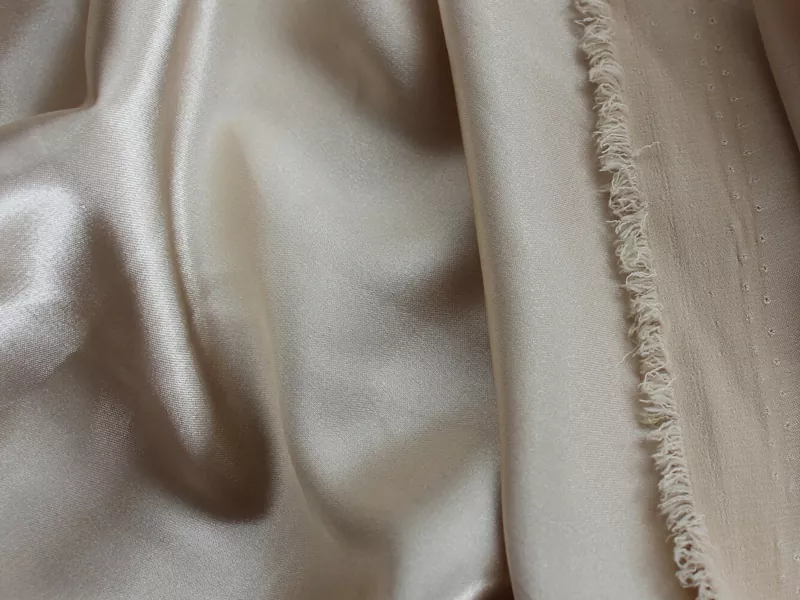
Satin is a weave known for its high luster and delicate, smooth hand, often producing a mirror‑like reflection under multidirectional light. Besides silk, polyester or nylon fibers can be used, so it is favored for luxurious eveningwear and gowns and serves as the prototypical “glossy” option in the sateen vs satin discussion.
Key Characteristics of Satin
- Fiber content: Primarily synthetic or silk, emphasizing gloss stability and strength.
- Weave: Classic four‑over‑one satin weave, reducing interlacing points to enhance surface smoothness.
- Texture: High-gloss mirror-like finish on the front, relatively matte on the back, enhancing three-dimensional layering.
- Drape: Flowing and elegant drape, providing graceful coverage, ideal for accentuating curves and light-shadow effects.
- Common uses: Lingerie, gowns, high-end loungewear, as well as red carpet and stage costumes.
- When evaluating sateen vs satin, brands often differentiate based on their luster requirements and the difficulty of styling each fabric.
Answering a PAA Query: Is satin synthetic?
Not always. Satin can be made from natural silk or synthetic fibers (polyester, nylon). If environmental friendliness or skin feel is a priority, the silk version can be chosen; if durability and cost are more important, polyester is more favorable. This is also a common introductory question in discussions about the difference between satin and sateen.
What Is Sateen Fabric?
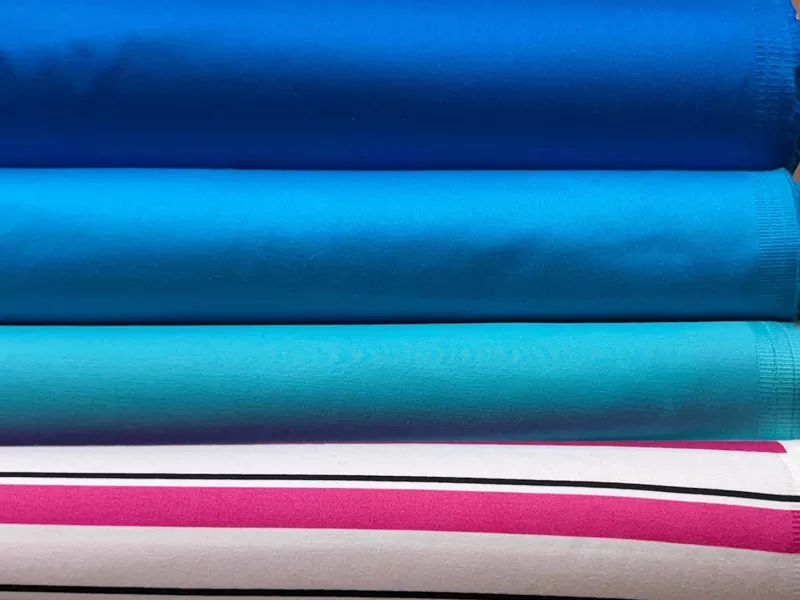
Sateen is a cotton‑based fabric woven with a satin weave structure, giving it a gentle sheen and a smoother, skin‑friendly touch. Compared to satin, it is more matte and less glaring, while still offering comfort and everyday durability, making it the preferred choice for intimate and loungewear in the sateen vs satin comparison.
Key Characteristics of Sateen
- Fiber content: 100% cotton, excellent breathability, skin‑friendly and non‑sticky.
- Weave: a 4‑over‑1‑under sateen weave, enhancing surface smoothness and reducing friction.
- Texture: front smooth and slightly lustrous, back softer with a gentle touch.
- Drape: Soft yet structured, with a supportive fall, suitable for garments with a stable silhouette.
- Common uses: Pajama set, bedding, casual loungewear, and all-season comfortable linings.
In comparing satin versus sateen, brands often highlight sateen in their lines to emphasize overall comfort and durability.
Answering a PAA Query: Is sateen the same as satin?
No. Sateen is primarily made from cotton, while satin is commonly crafted from silk or synthetic fibers. Both share similar weaving techniques, but their finished sheen, hand feel, and durability differ; in a comparison of cotton sateen vs satin, the former has a gentler texture and is easier to care for, whereas the latter exhibits a stronger luster and a more striking stage presence—this is the key difference between satin and sateen.
Sateen vs Satin: Comparison Table
| Feature | Satin | Sateen |
|---|---|---|
| Fiber Type | Silk, polyester, or nylon | 100% cotton |
| Weave | Satin weave (four-over, one-under) | Sateen weave (modified satin weave) |
| Finish | High gloss, slippery | Soft sheen, matte-lux finish |
| Touch | Cool and sleek | Warm and cozy |
| Durability | Prone to snags | More durable and wrinkle-resistant |
| Care | Dry clean or gentle wash | Machine washable |
| Best For | Luxury lingerie, gowns, cami set, robe | Pajamas, bedding, loungewear, shirt |
Featured Snippet Optimization:
Quick Answer: The main difference between satin and sateen is the fiber content—satin is made from silk or synthetics, while sateen is made from cotton.
Which Fabric Is Better for Pajamas and Loungewear?

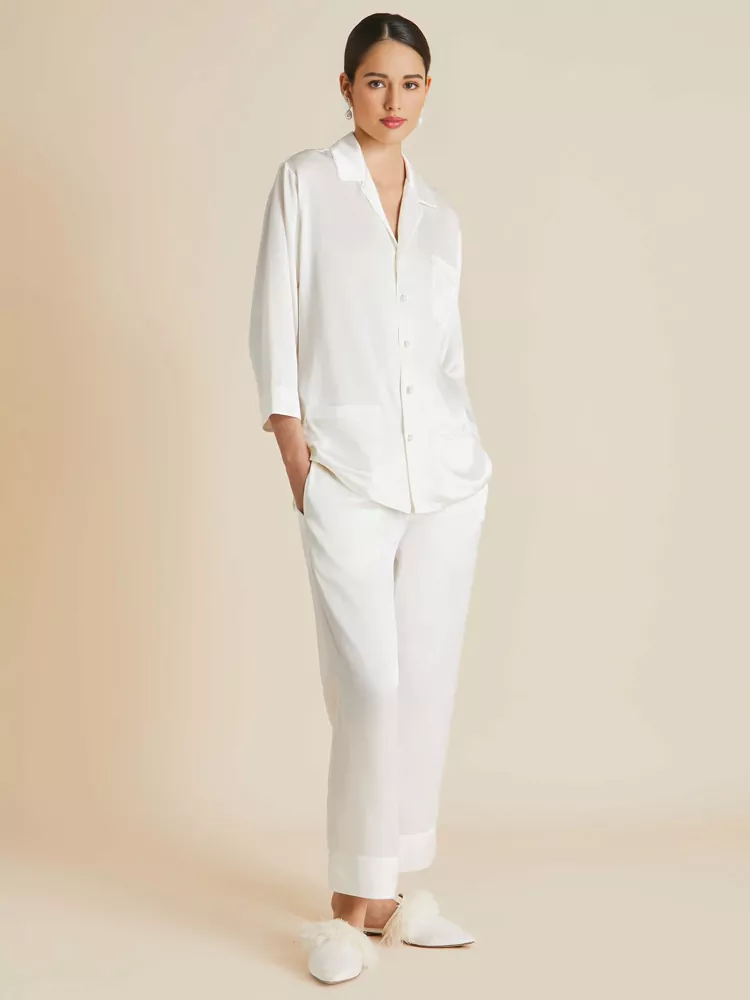
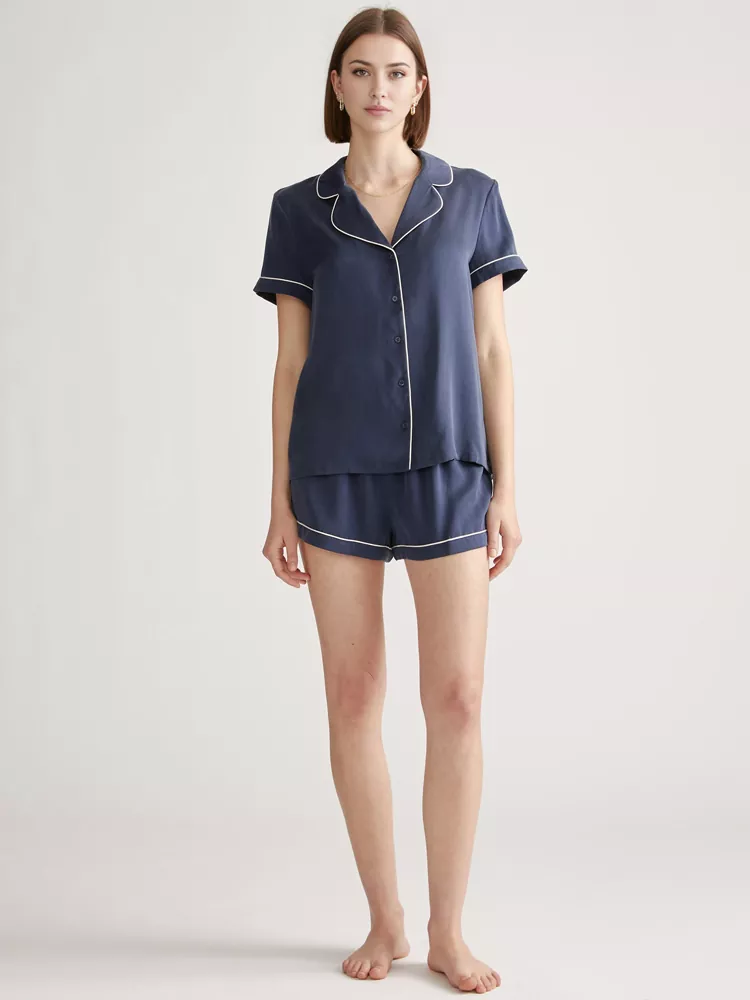
When evaluating sateen vs satin, consider:
- Target Market: For luxury customers who pursue stage‑gloss and high‑end texture, prioritize satin; for consumers who emphasize skin‑friendly and everyday comfort, lean toward sateen. Segment further by climate and tactile preferences to strengthen the positioning of sateen vs satin.
- Product Category: Robe, gowns, bridal and event dresses are suited to satin’s high shine and fluidity; pajamas, bedding, and casual loungewear benefit from sateen’s softness and durability, aligning with the functional differences in cotton sateen vs satin.
- Budget & Sustainability Goals: Silk satin has a high cost and delivers a strong visual payoff; cotton sateen supports a sustainable narrative (such as organic cotton and traceable supply chain), which benefits eco‑mindful brands, and is also a commercial consideration in the difference between satin and sateen.
- Care Instructions: Sateen is machine‑washable, lowering care barriers and return rates; satin—especially silk—may require dry cleaning or hand wash. For high‑turnover everyday items, the choice of sateen or satin should prioritize ease of care and durability.
For fashion brands designing pajamas or loungewear, cotton sateen strikes the best balance among comfort, durability, and sustainability; its sateen weave delivers a soft hand and easy care, fitting for everyday high‑frequency wear and eco‑storytelling. If a brand leans toward luxury and visual impact, choosing silk satin yields a stronger mirror‑like sheen and flowing drape, suitable for runway shows and limited‑edition collaborations. A deep understanding of the sateen vs satin distinction enables more precise material choices, ensuring that the selected fabric aligns with the brand narrative, price point, and customer expectations.
FAQ: Sateen vs Satin
Q1: Is sateen the same as satin?
No. Sateen is primarily made of cotton, while satin is usually woven from silk or synthetics such as polyester and nylon. Although their weaving techniques are similar, their texture and luster differ, which is the core difference between satin and sateen.
Q2: Which is softer—satin or sateen?
Sateen is softer, warmer, and feels comfortable against the skin without a chill; satin feels cooler and slicker, with a more mirror‑like sheen. Choosing sateen or satin is best based on season and personal skin‑feel preference.
Q3: Is satin synthetic?
It can be. Satin can be made from silk or from polyester or nylon, so whether satin is synthetic depends on the specific fiber content and positioning.
Q4: Which lasts longer—sateen or satin?
Overall, sateen is more durable, easy to maintain, and machine‑wash friendly; silk satin is more refined and requires meticulous care. When evaluating sateen vs satin, brands should consider usage frequency and maintenance costs.
Q5: Which is better for pajamas?
Cotton sateen combines comfort, breathability, and easy care, making it ideal for the pajamas and loungewear lines; if a higher gloss and cooler feel are desired, specific series can incorporate silk satin fabric or polyester satin fabric into the cotton sateen vs satin options.